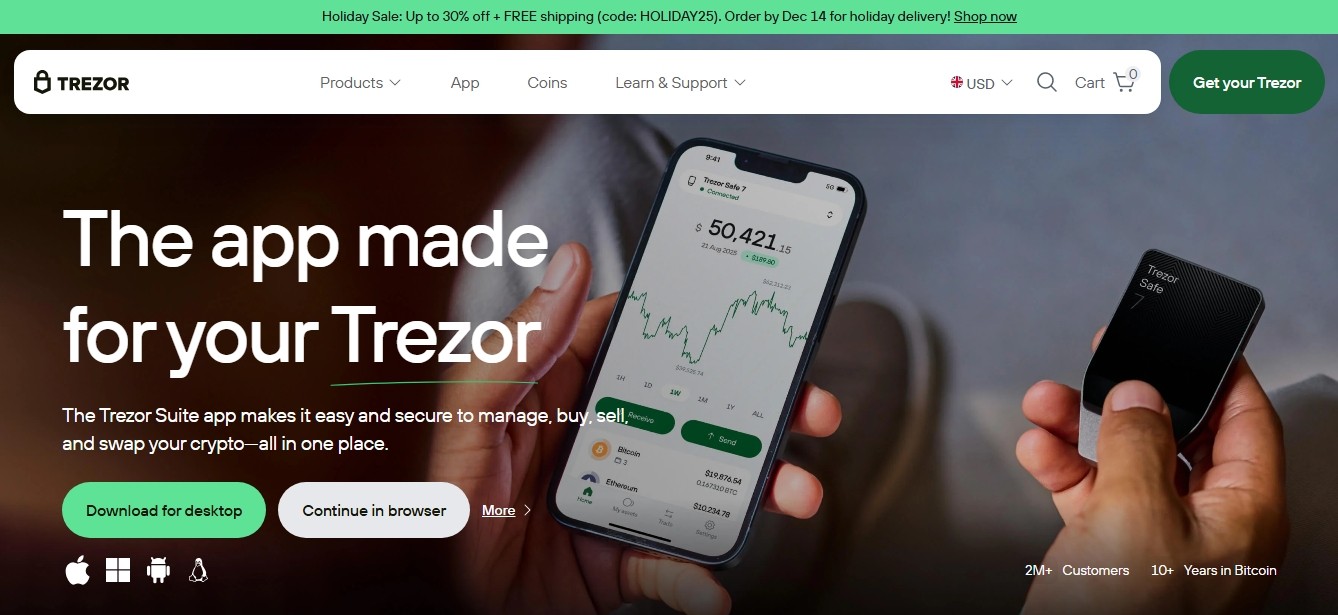
Trezor.io/start: A Complete Guide to Hardware Wallets and Digital Asset Security
The emergence of digital assets, including cryptocurrencies and blockchain-based tokens, has fundamentally changed the way people think about ownership, finance, and security. These assets offer the promise of decentralized control, allowing individuals to hold and manage their wealth without relying on traditional banking institutions. However, with this independence comes significant responsibility. The phrase Trezor.io/start often symbolizes the first step for those looking to explore hardware wallets and secure digital asset management. While the official Trezor platform provides product-specific setup instructions, understanding the principles behind hardware wallets, self-custody, and security practices is crucial for anyone entering the space. This guide provides a comprehensive educational overview of these topics, equipping readers with the knowledge necessary to navigate the digital asset landscape safely and confidently.
Understanding Digital Assets and Blockchain Technology
Digital assets operate fundamentally differently from traditional money. Conventional funds in a bank account are centrally managed and can be recovered, reversed, or frozen by the institution. Digital assets, on the other hand, are governed by cryptographic keys and recorded on blockchain networks, which are decentralized and immutable ledgers. Each transaction is permanently recorded, and ownership is defined by possession of the corresponding private keys.
A private key is a cryptographic code that allows an individual to authorize transactions and access their digital assets. The corresponding public key, or wallet address, is where others can send assets. Control over the private key is synonymous with control over the assets themselves. This decentralized approach offers independence, transparency, and security against centralized failures, but it also means that losing a private key or mishandling it can result in permanent loss. Understanding how to manage and protect these keys is the foundation of safe digital asset management.
What Is a Hardware Wallet?
A hardware wallet is a specialized physical device designed to securely store private keys offline. Unlike software wallets that operate on internet-connected devices, hardware wallets reduce the risk of cyberattacks, malware, and phishing. They provide a secure environment where private keys are isolated from potentially compromised systems.
The term "cold storage" is often used to describe hardware wallets because they keep sensitive information offline. Transactions prepared on a computer or smartphone are signed on the hardware wallet itself, ensuring that private keys never leave the secure device. This separation between transaction preparation and signing adds an important layer of security.
Hardware wallets are usually paired with companion software, which provides a user-friendly interface for checking balances, managing assets, and interacting with blockchain networks. While the software handles the display and management of information, the actual signing of transactions is performed securely on the hardware device.
The Philosophy of Self-Custody
Self-custody is a key concept in the use of hardware wallets and is emphasized by educational resources like Trezor.io/start. Self-custody means that the individual retains complete control over their private keys, rather than relying on a third-party service such as an exchange or online wallet provider.
Self-custody offers numerous benefits, including independence from centralized authorities, enhanced privacy, and protection against failures of external platforms. However, it also comes with responsibility. Misplacing or exposing private keys or recovery phrases can result in permanent loss of assets, with no centralized entity able to recover them. As a result, understanding and adopting strong security practices is critical for anyone opting for self-custody.
Common Security Threats
While hardware wallets provide robust protection against many cyber threats, incidents in the digital asset space often stem from human error or external attacks. Awareness of potential threats is a crucial aspect of security education.
Phishing attacks are one of the most common risks. Scammers create fake websites, emails, or messages that closely mimic legitimate services, attempting to trick users into revealing private keys or recovery phrases. Social engineering attacks can include impersonating support staff, creating fake emergencies, or sending urgent requests for information. Maintaining skepticism and verifying sources before taking any action is essential.
Malware and malicious software present another significant risk. Malicious programs can attempt to record keystrokes, intercept software communications, or manipulate wallet applications. Ensuring devices are secure, software is downloaded from official sources, and updates are applied regularly helps mitigate these risks.
Physical threats should also be considered. A hardware wallet or recovery phrase can be stolen, damaged, or lost. Users must implement physical security measures such as safes, secure backups, and careful handling to protect their assets from physical threats.
Recovery Phrases: The Ultimate Backup
A recovery phrase, also known as a seed phrase, is a series of words generated by a hardware wallet that allows the user to recover their assets in case the device is lost, damaged, or stolen. The recovery phrase is effectively the master key to all digital assets stored on the device.
It is essential that recovery phrases remain private and are stored securely. They should never be shared with anyone, entered into unverified software, or stored in digital formats that are vulnerable to hacking. Many users adopt physical backups, fireproof storage solutions, and secure multi-location strategies to ensure their recovery phrases are protected. Proper handling of recovery phrases is essential to maintaining access to digital assets over the long term.
Companion Software and User Interfaces
Hardware wallets function in conjunction with companion software that provides a visual interface for managing assets, checking balances, and interacting with blockchain networks. The software prepares transactions, while the hardware wallet securely signs them. This separation ensures both convenience and security.
Using only official and verified software versions is critical to prevent exposure to malicious programs. Regular updates to both hardware firmware and companion software help maintain security, add new features, and ensure compatibility with evolving blockchain protocols.
Best Practices for Secure Digital Asset Management
Securing digital assets requires a combination of tools, knowledge, and disciplined habits. Some recommended best practices include:
Verify Sources: Always download software and firmware directly from official channels. Avoid clicking on unsolicited links or email attachments.
Keep Devices Updated: Regularly update firmware and software to incorporate security improvements.
Secure Physical Storage: Store hardware wallets and recovery phrases in secure locations, such as safes or fireproof containers.
Double-Check Transactions: Confirm recipient addresses and transaction details before signing any transfer.
Use Multi-Factor Security: Employ additional security measures where possible, including strong passwords, secondary devices, or physical authentication mechanisms.
Continuous Learning: Stay informed about new threats, technological developments, and security best practices.
Adopting these habits helps maintain the integrity of digital assets and builds long-term confidence in managing them.
Education for Beginners and Young Users
Digital asset education is increasingly important for beginners and young audiences. Understanding cryptography, blockchain principles, and secure ownership not only provides practical skills but also offers insight into the future of finance and technology.
For younger learners, conceptual education is recommended before engaging in transactions. Focusing on understanding terminology, principles, and risks prepares users for safe involvement later. Supervised learning environments and mentorship can help develop strong foundational knowledge without exposing learners to unnecessary financial risks.
Continuous Learning and Staying Updated
The digital asset space evolves rapidly. New security research, software updates, and technological developments can influence best practices. Staying informed and maintaining a proactive learning approach is critical to long-term security.
Users should regularly review official updates from hardware wallet providers, security advisories, and educational resources. By maintaining awareness, users can anticipate potential threats, respond effectively, and adapt to changes in the ecosystem.
Common Misconceptions About Hardware Wallets
Some users mistakenly believe that hardware wallets provide complete immunity from loss or theft. While they greatly reduce certain risks, they cannot prevent loss due to mismanagement, lost recovery phrases, or social engineering attacks.
Another misconception is that blockchain transactions can be reversed. Once confirmed, transactions are typically permanent and irreversible. This reality highlights the importance of careful verification and thoughtful management before performing transactions.
The Broader Importance of Security Awareness
Trezor.io/start represents more than just a guide to using a product; it symbolizes the beginning of a mindset centered on responsibility, vigilance, and informed decision-making. The habits developed through understanding security principles, recognizing threats, and practicing safe management extend beyond digital assets and apply to online safety in general, including password protection, identity security, and secure communication.
Practical Steps for Getting Started
The first steps in using a hardware wallet should focus on understanding concepts before executing financial operations:
Learn the principles of cryptography, blockchain networks, and secure ownership.
Understand the difference between private and public keys and how they govern control over assets.
Study the role of hardware wallets and companion software in maintaining security.
Explore best practices for managing physical and digital security.
Familiarize yourself with potential threats and strategies for mitigation.
By internalizing these principles, users gain the knowledge necessary to confidently manage digital assets when they are ready.
Conclusion
Trezor.io/start signifies the initial step for anyone looking to explore digital asset management with a focus on security and self-custody. Hardware wallets provide a strong layer of protection for cryptographic keys, but their effectiveness depends on the user’s understanding of the underlying principles and commitment to best practices.
Through careful study of security principles, recovery phrase management, software use, and threat mitigation, individuals can confidently navigate the digital asset ecosystem. Education and awareness are the most powerful tools for maintaining control and security in a decentralized environment where no central authority can reverse mistakes.
By embracing responsible digital asset management, users can protect their investments, gain independence, and participate safely in the evolving world of blockchain technology. Trezor.io/start is more than a product or website—it represents the beginning of a journey toward informed, empowered, and secure digital ownership.