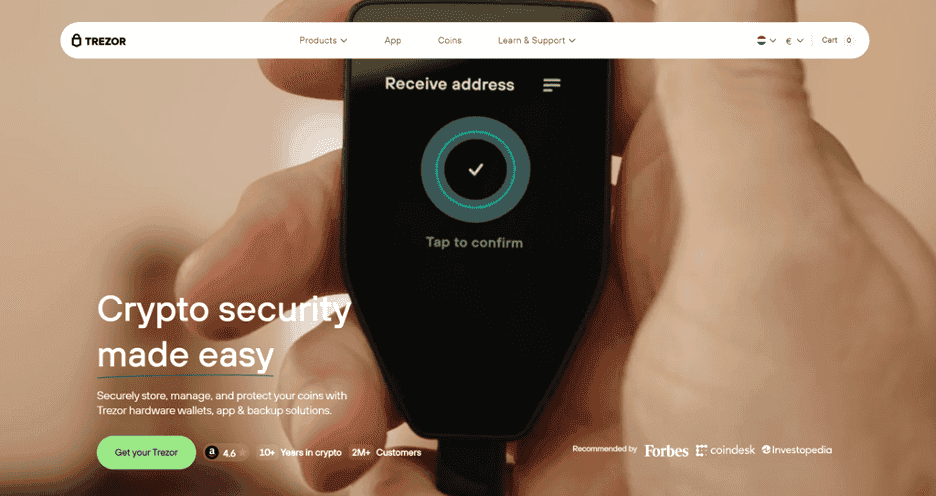
Trezor.io/start: The Complete Guide to Setting Up Your Trezor Hardware Wallet
Cryptocurrency has transformed the financial landscape, offering new opportunities for investment, savings, and global transactions. Unlike traditional bank accounts, cryptocurrencies are decentralized, meaning there is no institution to restore lost funds if private keys are compromised. This independence comes with responsibility: securing digital assets is crucial. One of the most effective ways to protect cryptocurrency holdings is through a hardware wallet. Trezor is a leading provider of these devices, designed to store private keys securely offline. For those just beginning, Trezor.io/start provides a comprehensive starting point to set up and safely use a Trezor hardware wallet. This guide explores the setup process, security considerations, and best practices for managing digital assets responsibly.
Understanding Trezor Hardware Wallets
A Trezor hardware wallet is a small electronic device that stores cryptocurrency private keys offline. Private keys are the digital codes necessary to access and manage cryptocurrency funds. If a private key is lost or stolen, the associated funds can no longer be recovered, highlighting the importance of secure storage. Unlike software wallets, which are connected to the internet and vulnerable to malware or phishing attacks, hardware wallets store private keys in a secure, offline environment.
Trezor devices utilize a secure microcontroller to safeguard sensitive information, ensuring that private keys never leave the device. Transactions can be signed on the device without exposing keys to external systems, protecting users even when the wallet is connected to a computer or smartphone. Trezor wallets support a wide range of cryptocurrencies, including Bitcoin, Ethereum, and numerous altcoins, allowing users to manage multiple accounts in one device.
What Trezor.io/start Offers
Trezor.io/start serves as the official starting point for setting up a Trezor hardware wallet. It guides users step by step through the initialization process, providing instructions for unboxing, connecting the device, generating a recovery seed, and securing the wallet. The goal is to ensure that users follow safe practices from the outset, minimizing the risk of errors that could compromise their digital assets.
The guidance on Trezor.io/start is designed to be clear and accessible to both beginners and experienced cryptocurrency users. It provides a structured approach to wallet setup, emphasizing security and responsible management.
Step 1: Unboxing Your Trezor Device
The first step in using a Trezor wallet is unboxing the device. A typical package includes the Trezor hardware wallet, a USB cable, recovery seed cards, and a small instruction manual. Before proceeding, it is essential to inspect the packaging for any signs of tampering and confirm that the device is genuine.
Trezor.io/start provides instructions for verifying the authenticity of the device, helping users avoid counterfeit products that may have been compromised. Setting up the device in a private, secure location ensures that sensitive information, such as recovery seeds, cannot be seen by unauthorized individuals.
Step 2: Installing Trezor Suite
Trezor Suite is the official desktop and mobile application used to manage cryptocurrency accounts on Trezor devices. It is available for Windows, macOS, Linux, and mobile devices running Android or iOS. Trezor Suite enables users to add accounts, send and receive transactions, view account balances, and install cryptocurrency apps securely.
During the setup process, Trezor.io/start guides users to download and install Trezor Suite. This software acts as a bridge between the hardware wallet and the blockchain, providing an intuitive interface for managing funds while ensuring private keys remain protected on the device.
Step 3: Initializing the Device
After connecting the Trezor device and launching Trezor Suite, users begin the initialization process. They are prompted to set a PIN, which secures the device from unauthorized access. Choosing a strong, unique PIN is critical to maintaining security, as it prevents others from accessing the wallet if the device is lost or stolen.
Once the PIN is set, the device generates a recovery seed, typically a series of 24 randomly selected words. This seed is the backup that allows users to restore their wallet if the device is lost, damaged, or stolen. Trezor.io/start emphasizes the importance of writing down the recovery seed on the provided cards and storing it securely offline.
Step 4: Securing the Recovery Seed
The recovery seed is arguably the most crucial element in cryptocurrency security. It acts as a master key to all accounts stored on the wallet. If the seed is lost or compromised, access to the associated funds can be permanently lost. Trezor.io/start strongly advises against storing the recovery seed digitally or sharing it with anyone.
Users should keep the recovery seed in a secure, offline location, such as a safe or lockbox, and consider using multiple secure copies stored in separate locations. Avoid taking photographs or saving the seed on cloud storage or computers, as these methods are vulnerable to hacking.
Step 5: Verifying Device Authenticity
Verifying the authenticity of a Trezor device is a critical security step. Trezor.io/start includes instructions for checking the device to ensure it has not been tampered with before use. Counterfeit devices could compromise private keys and put funds at risk. Verification ensures that the wallet is safe for managing digital assets.
In addition to the initial check, Trezor devices receive regular firmware updates to enhance security and functionality. Users are encouraged to update firmware through Trezor Suite, as updates often include important security improvements and fixes.
Step 6: Adding Cryptocurrency Accounts
Once the device is initialized and verified, users can add cryptocurrency accounts through Trezor Suite. Trezor supports a wide variety of digital assets, each requiring installation of the corresponding application on the device. Adding accounts via Trezor Suite ensures that private keys remain secure on the hardware wallet during transactions.
After accounts are added, users can send and receive cryptocurrency with confidence. Trezor Suite provides a clear interface for monitoring balances, viewing transaction history, and managing multiple accounts efficiently. The device can also be connected to supported third-party applications for advanced functionality, though users should always verify the authenticity of external software before use.
Best Practices for Cryptocurrency Security
Even after setting up a Trezor wallet, ongoing vigilance is necessary to maintain security. The following best practices are recommended:
Keep the recovery seed offline: Store written copies in secure locations, and avoid digital storage.
Verify transaction addresses: Always double-check addresses before confirming a transaction.
Update firmware and software regularly: Install firmware updates through Trezor Suite to benefit from the latest security features.
Avoid phishing attacks: Only use official Trezor software and avoid suspicious links or emails.
Use a strong PIN: A unique, unpredictable PIN protects against unauthorized access.
Secure physical storage: Keep the hardware wallet in a safe location when not in use.
Adhering to these best practices significantly reduces the risk of loss, theft, or accidental errors.
Common Questions About Trezor Devices
Many users have questions about how Trezor hardware wallets work and what to expect during setup:
Can a Trezor device be used on multiple computers? Yes. The device can connect to multiple computers or mobile devices running Trezor Suite, while private keys remain securely stored on the device.
What if the device is lost or damaged? As long as the recovery seed is safely stored, funds can be restored on a new Trezor device.
How many cryptocurrencies can be managed on one device? Trezor supports hundreds of cryptocurrencies, and multiple accounts can be managed simultaneously.
Is Trezor.io/start free to use? Yes, the setup instructions and Trezor Suite software are free. The only cost is purchasing the physical device.
Why Hardware Wallets Are Essential
Managing cryptocurrency comes with inherent risks, including hacking, malware, phishing attacks, and accidental loss of private keys. While software wallets offer convenience, they cannot match the security provided by hardware wallets. Trezor devices combine offline key storage, PIN protection, secure firmware, and recovery seeds to provide a reliable method for safeguarding digital assets.
Hardware wallets also offer peace of mind. Users can perform transactions securely, knowing that private keys never leave the device. If the device is lost or damaged, funds can be recovered using the recovery seed. In an environment where digital threats are prevalent, hardware wallets like Trezor provide a critical layer of protection for both new and experienced cryptocurrency investors.
Conclusion
Trezor.io/start provides a structured, secure, and user-friendly guide for anyone beginning their journey with a Trezor hardware wallet. By following the instructions carefully, users can initialize their device, install Trezor Suite, secure their recovery seed, and begin managing multiple cryptocurrency accounts safely. The focus on security, device verification, and best practices ensures that users can protect their assets from potential threats.
Using a Trezor hardware wallet is not just about storing cryptocurrency—it’s about establishing long-term security and peace of mind in the digital financial world. By taking the necessary precautions, keeping the recovery seed safe, and updating firmware regularly, users can enjoy the benefits of decentralized finance while minimizing the risks. Trezor.io/start provides a comprehensive framework for responsible wallet management, empowering users to take control of their digital assets safely and confidently.